

May 15, 2026
Is Liposomal Vitamin C Actually Better?
The performance of liposomal vitamin C powder is much better than that of other kinds. Unlike regular ascorbic acid, which stops being absorbed after 200 mg, liposomal encapsulation keeps vitamin C safe within phospholipid bilayers, which lets it get around stomach problems. This leads to up to eight times better absorption, longer release in plasma, and less pain in the stomach. Liposomal technology is the biggest step forward in nutrient delivery methods for supplement brands, beverage makers, and contract manufacturers looking for formulations that give measurable results.
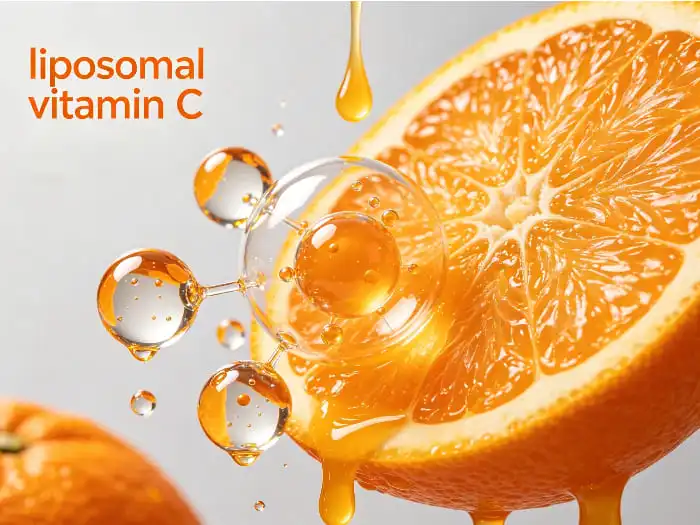
Understanding Liposomal Vitamin C Powder
Vitamin C is very important for protecting against free radicals, making collagen, and keeping your immune system healthy. But the body can't make or keep it, so we need to eat it every day. Standard vitamin C supplements have had a major problem for a long time: they are not absorbed well. When you eat more than small amounts of regular ascorbic acid, most of it doesn't do anything in your body. Now this is where liposomal delivery makes a big difference.
What Makes Liposomal Encapsulation Different?
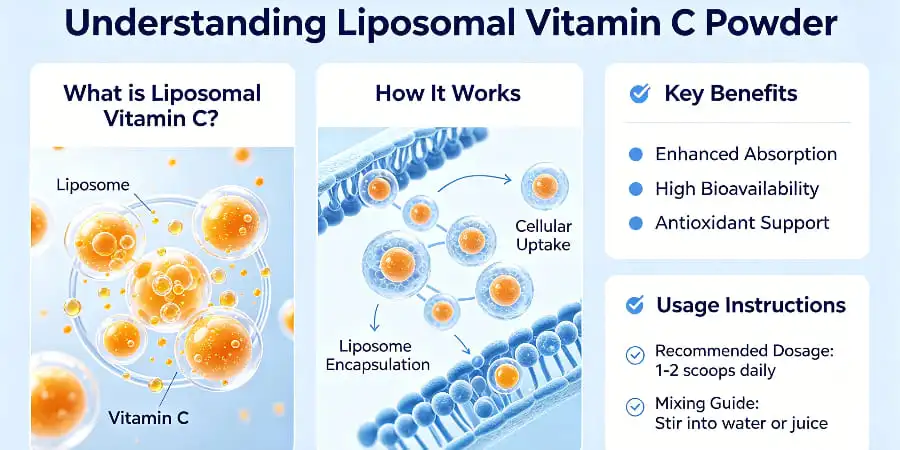
Liposomal vitamin C powder uses nano-encapsulation technology to put ascorbic acid or sodium ascorbate molecules inside very small phospholipid bubbles. These bubble-like structures look a lot like the membranes of human cells. They are usually made from non-GMO soy or sunflower lecithin. When the powder gets wet in the digestive system, it turns back into stable liposomes that keep the nutrient from being broken down by stomach acid and digestion enzymes.
The process is simple, but it works well. Instead of only using saturable active transport channels (SVCT1/SVCT2 transporters), liposomal structures connect directly with cell membranes in the intestine through endocytosis. In this way, vitamin C can get into cells without being broken down, which isn't possible with regular kinds. Our EncapsWell™ platform achieves high encapsulation efficiency, which keeps the vitamin C content at ≥99% purity and gets nutrients to where they're needed most: inside your cells.
Core Benefits for Product Development
Adding liposomal encapsulation to your products gives you three clear benefits. Better immune support comes from prolonged bioavailability, which means that therapeutic plasma amounts are kept for longer than with regular doses. Better cellular uptake makes vitamin C's antioxidant benefits better, so it can fight free radicals more effectively throughout tissues. Higher absorption helps the skin's collagen production and lowers the damage caused by free radicals that comes with getting older.
These perks directly lead to a more unique product. Brands that use liposomal products can back up their claims of greater effectiveness, meeting the need of customers for vitamins that really do what they say they will do.
Liposomal Vitamin C Powder vs Traditional Vitamin C Forms
Knowing the difference in performance between shipping forms helps procurement teams make smart choices about where to get things. There are real differences between them, not just marketing claims. There are differences in how quickly they are absorbed, how stable they are, and how flexible they are in terms of structure.
Absorption Efficiency and Bioavailability
Standard ascorbic acid powder has a lot of problems. Oral absorption stops growing at about 20% when a single dose is more than 1 gram, according to research. The intestine carriers in the body get full, and the extra vitamin C is quickly flushed out of the body. In spite of this, people take bigger amounts in the hopes of getting more benefits, but most of the nutrient is wasted.
Liposomal technology addresses this challenge through membrane-compatible delivery systems. Vitamin C remains protected within lipid bilayers until it reaches the intended absorption sites, helping improve stability and uptake even at higher dosages. Our EncapsWell™ technology has demonstrated up to 8 times higher bioavailability compared with conventional powders, while laboratory studies indicate up to 2 times greater cellular uptake. This improved delivery efficiency allows formulations to achieve desired performance with lower usage levels, helping reduce formulation costs while enhancing overall effectiveness.
Stability and Storage Advantages
Product steadiness affects shelf life, customer happiness, and following the rules. Traditional vitamin C easily oxidizes when it comes in contact with water, heat, and light, which makes goods less effective and changes their color. This instability makes it harder to meet production deadlines and restricts the kinds of foods and drinks that can be made, especially useful foods and drinks.
Liposome packaging creates a shield that protects vitamin C and keeps it intact. If you store our products properly, they will keep more than 95% of their effectiveness for 24 months. Because it dissolves easily in water, our liposomal vitamin C powder is perfect for use in drinks. It dissolves cleanly without leaving behind cloudiness or bad tastes that can happen with regular ascorbic acid. Stability testing methods include strict changes in temperature, exposure to humidity, and real-time tracking to make sure that goods work the same way from production to use.
Formulation Flexibility for Diverse Applications
Buyers and people who make products like being able to do a lot of different things. Liposomal powder can be easily mixed with a number of different dosage forms, such as pills, hard capsules, soft capsules, and liquid-ready formulas. This flexibility makes adding new products easy and lets companies respond quickly to changes in the market.
Liposomal vitamin C is effective in the production of immune-boosting health shots, anti-aging beauty drinks, and clean-label nutritional products. The mild pH profile keeps stomachs from getting irritated, so it's good for people who are sensitive. Clean-label claims, like being vegan, non-GMO, and free of manufactured ingredients, are in line with what consumers want and what the law requires in all global markets.
Key Considerations for Procurement and Supply
When looking for liposomal vitamin C powder ingredients, you need to carefully consider the skills, quality systems, and service flexibility of the suppliers you are considering. Choices made during buying have a direct effect on the quality of the product, its ability to get into new markets, and its long-term revenue.
Quality Standards and Certifications
Reliable providers show that they follow the rules by getting full certifications. Look for companies that have ISO9001, ISO22000, FSSC22000, or HACCP certifications. These show that they have strong quality control systems. The GMP approval makes sure that strict production rules are followed, which is especially important for supplement goods. More certificates, like Halal, Kosher, and Non-GMO Project Verified, help businesses reach more customers and meet more government rules.
Testing by a third party makes sure that the product is pure and works as it should. Certificates of Analysis (CoAs) should prove the amount of vitamin C, how well the capsules work, the limits of microbes and heavy metals, and any chemicals that are still present. Batch traceability systems allow full recording from where the raw materials come from to when the finished product is released. This helps with recall planning and regulatory checks.
Our EncapsWell™ liposomal vitamin C powder is made in the cGMP-certified factories of our parent company Wellgreen. Every batch goes through strict stable tests and real-time purity analyses to make sure the quality is always the same and meets the standards of more than 50 countries, such as FDA, EU Novel Food, and ANVISA.
OEM and ODM Capabilities
Private label services are helpful for brands that want to stand out without having to spend a lot of money on production facilities. You can get finished goods under your own name through OEM partnerships, and ODM services let you make your own formulas to meet the needs of a particular market.
Minimum order numbers (MOQs) that are flexible can help both new brands that are testing the market and established businesses that are increasing production. Our annual capacity of more than 100+ metric tons supports growth paths, and we can customize for each area to make batches that are Halal, Kosher, or tropical-stable, depending on the needs of the local market.
Custom mixing makes product development go even further. Elderberry mixes appeal to seasonal health markets, quercetin partnerships provide strong antioxidant synergies, and liposomal vitamin C and zinc combination improve immune formulations. Co-branding possibilities and a range of formats, such as effervescent pills, gummies, and ready-to-mix sachets, make it easier to get your product to market faster.
Pricing Strategy and Bulk Purchasing Value
Cost is a natural factor that plays a big role in buying choices. Liposomal forms of ascorbic acid cost more than basic ascorbic acid, but the worth becomes clear when you look at how well the end product works and how many customers stay with you.
Buying in bulk can greatly lower the price per unit, especially if the seller offers flexible pricing levels that are in line with promises to buy a certain amount. Because liposomal delivery makes active ingredients more bioavailable, brands can make successful products with less of them, which helps to partly make up for the higher cost of the ingredients. Better stability cuts down on waste from old stock, and the clean-label appeal helps premium store placement.
When you have long-term relationships with suppliers who care about your success, you get extra benefits like getting priority when supplies are low, working together to make new products, and getting regulatory support documents that make it easier to enter new markets across countries.
Safety, Dosage, and Side Effects
Product development that works well strikes a balance between safety and effectiveness, making sure that recipes provide benefits without causing harm. Knowing the right dosage and any possible side effects is important for both the health of the customer and the image of the brand.
Recommended Dosage Guidelines
The amount of vitamin C needed depends on the task and the people who will be doing it. Formulations usually give 500 to 1000 mg every day to help the defense system in general. 1000 to 2000 mg may be used for skin health and protective purposes. Because liposomal delivery makes it easier for the body to absorb, these doses can reach plasma values that used to need a lot more regular vitamin C.
Formulation flexibility lets dosing be done accurately across forms. For beverage uses, single-serve sachets give exact amounts; tablets and capsules make daily regimens easy; and liquid formulas let you make changes to your doses as needed.
Safety Profile and Contraindications
A lot of different doses of vitamin C have been shown to be healthy. Adults can normally handle 2000 mg of ascorbic acid per day, but the gentle nature of liposomal vitamin C powder forms makes it easier for the stomach to handle high doses of ascorbic acid.
Some groups need to be taken into account. People who have hemochromatosis or diseases related to iron overload should talk to their doctors because vitamin C helps the body absorb iron. Anyone who has had kidney stones should be very careful with very high amounts. Pregnancy and breastfeeding safety profiles back use within recommended ranges, but the labels on each product should match the rules set by the relevant regulatory body.
Regulatory Compliance for Global Distribution
To follow foreign supplement rules, you need to keep detailed records and be prompt about managing compliance. Different places have different rules about what ingredients can be used, what claims can be made on labels, and how safety claims can be proven.
As part of our regulatory support, we provide full export paperwork, stability reports that follow ICH standards, and allergen statements. Products made with cGMP standards and thorough quality systems make it easier to get into markets with different rules. This lowers the chances of delays and compliance issues that could stop product openings.
Why Choose Liposomal Vitamin C Powder for Your Business?
The market is moving more and more toward advanced supplement products that give customers real benefits. When you position your brand with high-performance products that have been proven by science, you gain a competitive edge that encourages both first-time buyers and return buyers.
Market Trends and Consumer Preferences
More and more, health-conscious customers are looking for vitamins that are backed by clear science and proven results. The world market for vitamin C keeps growing, and liposomal vitamin C powder delivery is leading the way because it has been shown to be the most effective way to absorb vitamin C. As brands come up with new goods that are both convenient and effective, growth is driven mostly by beverage and functional food uses.
People who prefer clean labels make most of the buying choices. Modern ideals are in line with non-GMO certification, vegan certification, and clear ingredient sources. Sustainability factors like tracking ethical ingredients, using reusable packaging, and producing goods with less energy help brands connect with customers who care about the environment and meet corporate responsibility requirements.
Brand Differentiation and Product Innovation
By offering liposomal formulations, you set your products apart from the many generic vitamins that are filling the market. Bioavailability claims that are backed up by third-party tests are used in marketing stories that get people interested and lead to sales. Better stability supports longer shelf life and less trash, which is good for the economy of delivery.
Product makers have more freedom to be creative. Immunity plus elderberry, beauty-from-within with collagen peptides, and exercise recovery with antioxidants are just a few examples of the innovative combinations made possible by combining liposomal vitamin C with additional components. New formats, like shots, candies, and fizzing pills, cater to a wide range of lifestyles and times when people want to use them.
Financial Performance and Return on Investment
When consumers think a product is worth more than what it costs, the company that makes it can charge more for it. Better absorption supports setting prices at stores that represent how well the product really works. When goods work, customers are more likely to stick with them, which lowers the cost of acquisition and builds brand trust.
Manufacturing efficiency goes up when recipes are steady and need less redoing and waste. Scalable supply partnerships help businesses grow without having to spend more on cash. Competitors who move more slowly miss out on sales chances like seasonal immunity products and popular ingredient mixtures because they can't act quickly enough.
Conclusion
Liposomal vitamin C powder is a scientifically proven improvement in how nutrients are delivered, and it has clear benefits over other supplement types. Because it is more bioavailable, more stable, and can be used in a lot of different ways, it is a useful ingredient for brands that want to stand out in competitive markets. Products that meet both governmental standards and customer expectations will be bought by companies that put quality approvals, OEM flexibility, and supplier partnership capabilities at the top of their list of priorities. As the supplement business moves toward high-performance formulas based on science, liposomal technology provides the effectiveness and clarity that set market leaders apart.
FAQ
How does liposomal vitamin C compare to standard ascorbic acid?
Liposomal packaging protects vitamin C in phospholipid bilayers that join with cell membranes, which makes it up to eight times more bioavailable. Absorption of standard ascorbic acid stops when it reaches 200 mg, which limits its effectiveness no matter what amount is used.
What certifications should I verify when sourcing liposomal ingredients?
Choose providers who have cGMP, ISO9001, ISO22000, HACCP, and any other qualifications that are needed for your market, such as Halal, Kosher, or Non-GMO. For quality assurance, you need third-party testing confirmation and full batch tracking documents.
Can liposomal powder integrate into beverage formulations?
Of course. Our liposomal vitamin C powder that dissolves in water mixes easily into drinks and stays stable for a long time. It doesn't cloud or taste bad. Because of this, it's perfect for useful shots, beauty drinks, and health drinks.
What minimum order quantities are typical?
MOQs depend on the supplier and the complexity of the formulation, but reliable makers are flexible enough to work with both new names and large-scale production. For custom mixing and private label services, you usually need to talk about the exact amount you need.
Partner With EmerWell for Superior Liposomal Vitamin C Powder Solutions
EmerWell creates advanced liposomal formulas for brands that need scientific accuracy and success that can be measured. Our special EncapsWell™ platform makes vitamin C that is 8 times more bioavailable. It is made in Wellgreen's cGMP-certified facilities following strict quality standards. We are a reliable provider of liposomal vitamin C powder, and we offer full OEM/ODM services, such as custom mixing with complementary ingredients and developing tablets, capsules, and liquid-ready formulas in a variety of formats. Our research and development team, which is led by a PhD, gives you technical help, tests for stability, and legal paperwork that speeds up your entry into the market in more than 50 countries. Get in touch with us at info@emerwell-bio.com right away to talk about how our liposomal solutions can help your business and improve your product line.
References
Carr AC, Maggini S. Vitamin C and Immune Function. Nutrients. 2017;9(11):1211.
Davis JL, Paris HL, Beals JW, et al. Liposomal-encapsulated Ascorbic Acid: Influence on Vitamin C Bioavailability and Capacity to Protect Against Ischemia-Reperfusion Injury. Nutrition and Metabolic Insights. 2016;9:25-30.
Hickey S, Roberts HJ, Miller NJ. Pharmacokinetics of oral vitamin C. Journal of Nutritional & Environmental Medicine. 2008;17(3):169-177.
Padayatty SJ, Sun H, Wang Y, et al. Vitamin C Pharmacokinetics: Implications for Oral and Intravenous Use. Annals of Internal Medicine. 2004;140(7):533-537.
Pullar JM, Carr AC, Vissers MCM. The Roles of Vitamin C in Skin Health. Nutrients. 2017;9(8):866.
Lykkesfeldt J, Tveden-Nyborg P. The Pharmacokinetics of Vitamin C. Annual Review of Nutrition. 2019;39:69-95.
Online Message
YOU MAY LIKE
High quality furniture manufacturer


